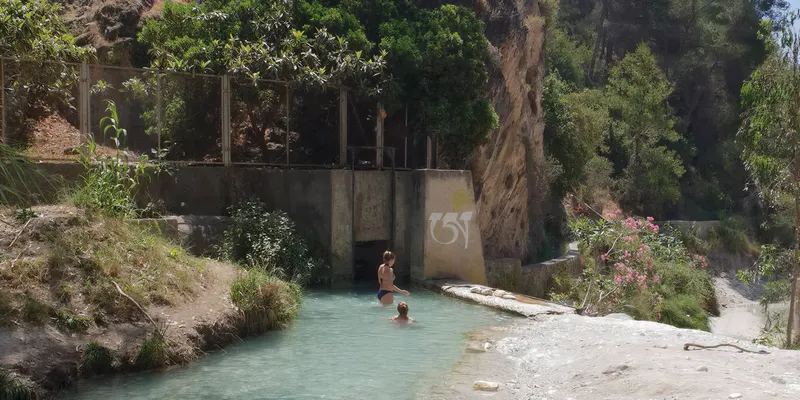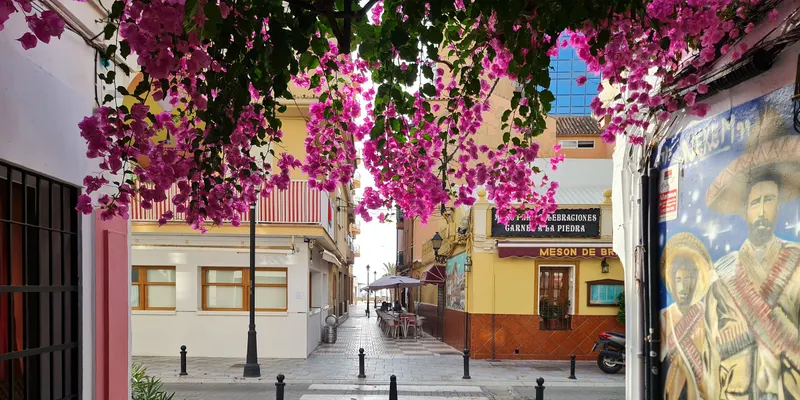
Tucked into the eastern side of Fuengirola on Spain's sun-kissed Costa del Sol, Los Boliches is more than just a beachside neighbourhood – it is a vibrant blend of history, culture and seaside calm. Once a humble fishing village, Los Boliches has become one of the most loved destinations for visitors looking for both relaxation and authenticity.
Casa Alise is right in the middle of Los Boliches. But what makes this place so special? Let's dive into its past and see why it keeps captivating visitors year after year. If you need a home for up to ten people, take a look at Casa Agnethe.
A glimpse into the past
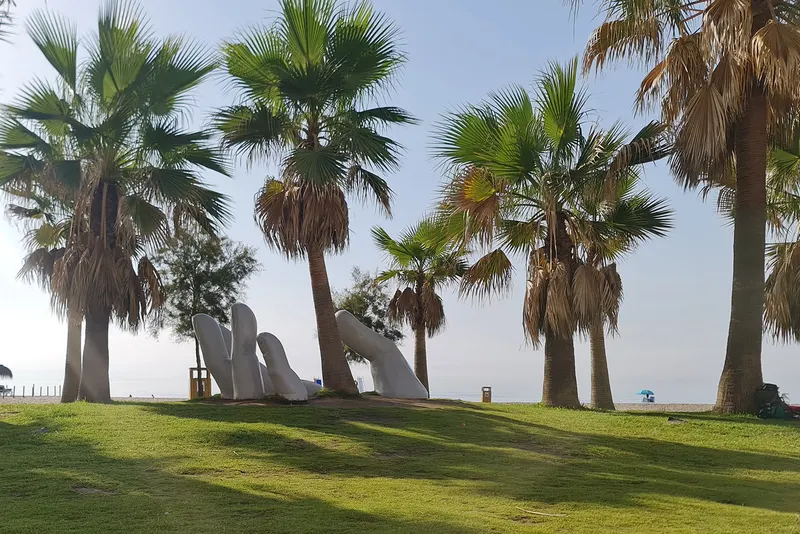
Los Boliches, originally known as Santa Fe de Los Boliches, began as a small fishing settlement separate from Fuengirola. Its name comes from the "boliche", a type of Genoese fishing boat and net – a sign of the area's deep connection with the sea. The photo shows the "Open Hand" monument, a sculpture by the artist Charo García that symbolises care for nature.
The roots of Los Boliches go back to Phoenician and Roman times, when the coast was dotted with salting factories and trade routes. Archaeological remains, such as those found near the Plaza de Castilla, reveal a thriving Roman presence, including marble from nearby Mijas used in temple-like buildings. Later, the Moors fortified the region, and Castillo Sohail became a strategic stronghold against pirate raids.
By the 19th century Los Boliches was still a small village – the census of 1822 records just 25 inhabitants. It stayed largely untouched until the mid-20th century, when tourism began to reshape the Costa del Sol. Despite the development, Los Boliches has kept its Andalusian soul, with narrow streets, whitewashed houses and a strong sense of community.
Cultural heritage and local traditions
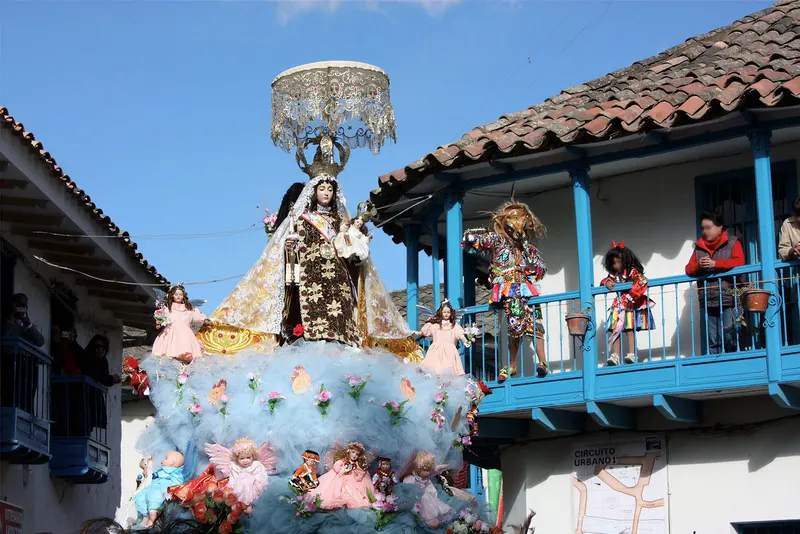
One of the most cherished traditions in Los Boliches is the Fiesta Virgen del Carmen, held every year on 16 July. During the festival, the statue of the Virgin is carried from the Parish Church of Carmen y Santa Fé down to the sea, where she is placed on a boat and paraded along the coast. This emotional event honours the patron saint of fishermen and reflects the area's lasting bond with the sea.
The Monument to the Peseta on the Paseo Marítimo, just a few hundred metres from Casa Alise, is another cultural landmark. Created in 2007, it pays tribute to Spain's former currency.
Why visitors love Los Boliches
1. Stunning beaches with Blue Flag status
Los Boliches has one of Fuengirola's finest beaches, regularly awarded the Blue Flag for cleanliness, safety and environmental standards. The beach stretches for over a kilometre, with soft dark sand and calm, shallow water – ideal for families with children. You can rent sunbeds, umbrellas and pedal boats, or try water sports such as jet skis and parasailing. From Casa Alise it is only 100 metres to the beach.
The beach is also wheelchair accessible, with wooden walkways and adapted facilities.
2. The vibrant Paseo Marítimo
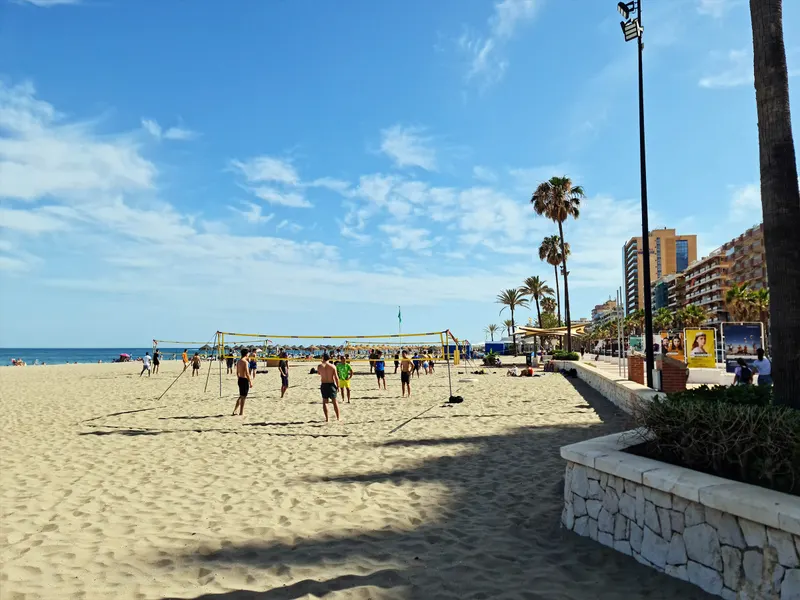
The Paseo Marítimo Rey de España is the lifeline of Los Boliches. The promenade is perfect for morning jogs, sunset strolls or a casual meal. It is lined with chiringuitos (beach bars), cafés and restaurants serving everything from traditional espeto de sardinas (grilled sardines) to international food.
3. Easy to get around
Los Boliches has its own train station on the line to Málaga and the airport. That makes it a convenient base for exploring the region without a car. The area is also flat and easy to walk – a big plus for older travellers and families with pushchairs.
4. A blend of calm and activity
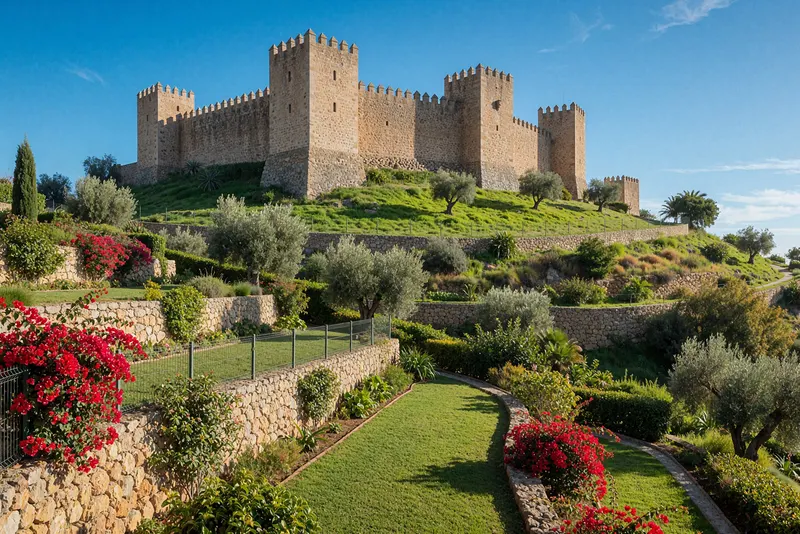 AI generated
Unlike some busy tourist hubs, Los Boliches has a relaxed atmosphere without missing out on entertainment. You can try water sports, play beach volleyball or simply unwind with a book under a parasol. For more action, Fuengirola's attractions – such as the Bioparc, Sohail Castle and the Miramar shopping centre – are a short walk or train ride away. Find more ideas in our guide to activities.
5. A welcoming community
Los Boliches has a multicultural mix of residents, from Spanish locals to people from Northern Europe. This mix creates a friendly atmosphere where visitors feel at home. The area is especially popular with retirees and long-term travellers, thanks to the mild climate, the friendly vibe and good healthcare.
When to visit
Summer (May to September) is peak season, but Los Boliches is lively all year round. Spring and autumn are ideal if you prefer fewer crowds and milder temperatures. Even in winter the weather is pleasant, making it a great escape from colder climates. With a sauna, a heated pool and a gym, Casa Alise is a popular place to stay at Christmas and in winter too.
A place that captures the heart
Los Boliches is more than a beach destination – it is where history, culture and coastal beauty come together. Whether you are drawn by its ancient roots, its festive traditions or its laid-back lifestyle, Los Boliches has something for every traveller. And once you have experienced its charm, you will understand why so many visitors return year after year.
Want to explore further? Read about popular day trips from Los Boliches.